
Integrating Marketing and Finance for Long Term Success


In the business world, many entrepreneurs make the mistake of separating marketing from finance, as if they were two different worlds. However, true sustainable growth happens when both areas work together.
Knowing how much to invest, where to invest, and when to adjust your campaigns depends as much on advertising strategy as it does on the financial health of your business. At Wisebooks Agency, we help companies connect their marketing metrics with their financial reports so every decision is based on real data.

1. The Perfect Balance Between Attracting and Sustaining
Marketing drives growth, but finance determines whether that growth is sustainable.
There’s no use in having more leads if you can’t afford to acquire them or if the return takes too long. That’s why, before investing large budgets in advertising, you need to answer key questions like:
● What is my current cost per acquisition (CPA), and how many customers do I need to cover my expenses?
● How much cash flow do I have available to invest without risking my operations?
● What percentage of my sales can I allocate to marketing without affecting profitability?
These calculations are simple when your financial reports and marketing metrics are aligned. And that’s exactly what Wisebooks Agency does: bridge both worlds to give you a 360° view of your business.
2. From ROI to Real Growth
In marketing, ROI (Return on Investment) is a key metric, but if analyzed in isolation, it can be misleading. For example, a campaign may show a high ROI, but if operational expenses increase or cash flow is negative, the growth isn’t sustainable.
That’s why it’s vital to cross-reference your marketing metrics with your accounting data.
With Wisebooks Agency, you can visualize:
● Which campaigns actually generate net income?
● Which ones increase costs without clear returns?
● How to optimize your budget to invest only where there’s a positive financial impact.
This way, you won’t just know that “a campaign worked” you’ll be able to confirm that it generated real profits.
3. Metrics That Connect Both Worlds
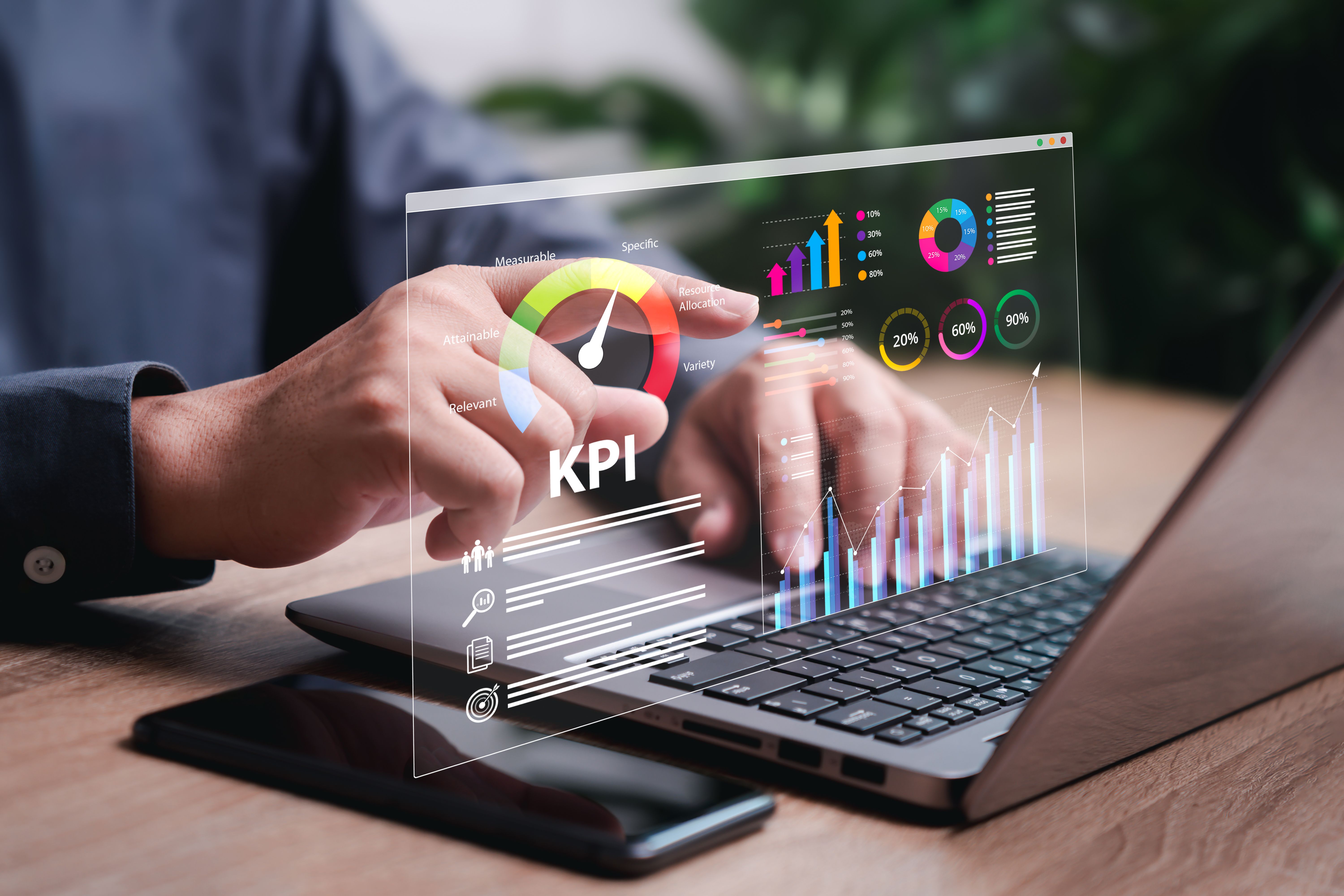
If you want to align marketing and finance, pay attention to these indicators:
● Cost per lead (CPL): How much it costs to generate a qualified contact.
● Customer lifetime value (LTV): How much money each customer contributes on average during their relationship with you.
● Return on investment (ROI): Revenue generated versus advertising spend.
● Net profit margin: How much of each sale actually turns into profit.
When this data is properly integrated, you can make smart decisions: knowing when to scale a campaign, adjust prices, or prioritize one channel over another.

4. How Wisebooks Agency Integrates Marketing and Finance
Wisebooks Agency’s approach goes beyond traditional accounting. Our system syncs your marketing data (Meta Ads, Google Ads, CRM, etc.) with your financial reports, so you can see your business’s complete performance in one place.
This means you can:
● Analyze your actual ROI by channel.
● Measure how each investment impacts your monthly income.
● Receive alerts when your campaigns aren’t profitable.
● Plan more accurate budgets for your next launches or peak seasons.
In other words, we turn your numbers into strategic decisions that allow you to grow without risking profitability.
5. Growing with Strategy, Not Just Advertising
Sustainable growth isn’t about spending more on ads it’s about spending smarter.
When your decisions are backed by integrated financial and marketing data, you can maintain profitability even as you expand your business.
At Wisebooks Agency, we help entrepreneurs achieve that balance: grow with strategy, measure with precision, and build solid businesses that stand the test of time.